
Viscous Heat Dissipation Modeling in High Velocity Polymer Die Flow
High-velocity die flow modeling demands coupled non-isothermal viscosity functions to prevent thermal degradation and melt fracture from shear heating.
High-velocity die flow modeling demands coupled non-isothermal viscosity functions to prevent thermal degradation and melt fracture from shear heating.

Modeling convective turbulence in deep tool profilometry eliminates false roughness artifacts and prevents costly thermal settling delays at inspection gates.

Dynamic boundary layer control requires matching tool thermal diffusivity to cycle frequency to restrict heat penetration within two millimeters of the cavity wall.

Thermal boundary layer growth governs active cavity flow clearance, pressure drop, and gate seal timing, setting the fundamental physical limit on cycle time.

Resolving reactor transport gradients through targeted fluid hydrodynamics and arrayed sensing restores statistical process capability across large vessel volumes.

Non-isothermal viscous dissipation drives core melt temperature spikes that cause extrudate defects if die land geometry is not scaled to shear rates.

Coupled thermo-rheological optimization aligns conformal channel paths with polymer melt heat dissipation to compress cycle times and eliminate part distortion.

Physical aging and nonlinear viscoelastic relaxation during secondary post-cure holds govern residual stress dissipation, matrix embrittlement, and warpage.
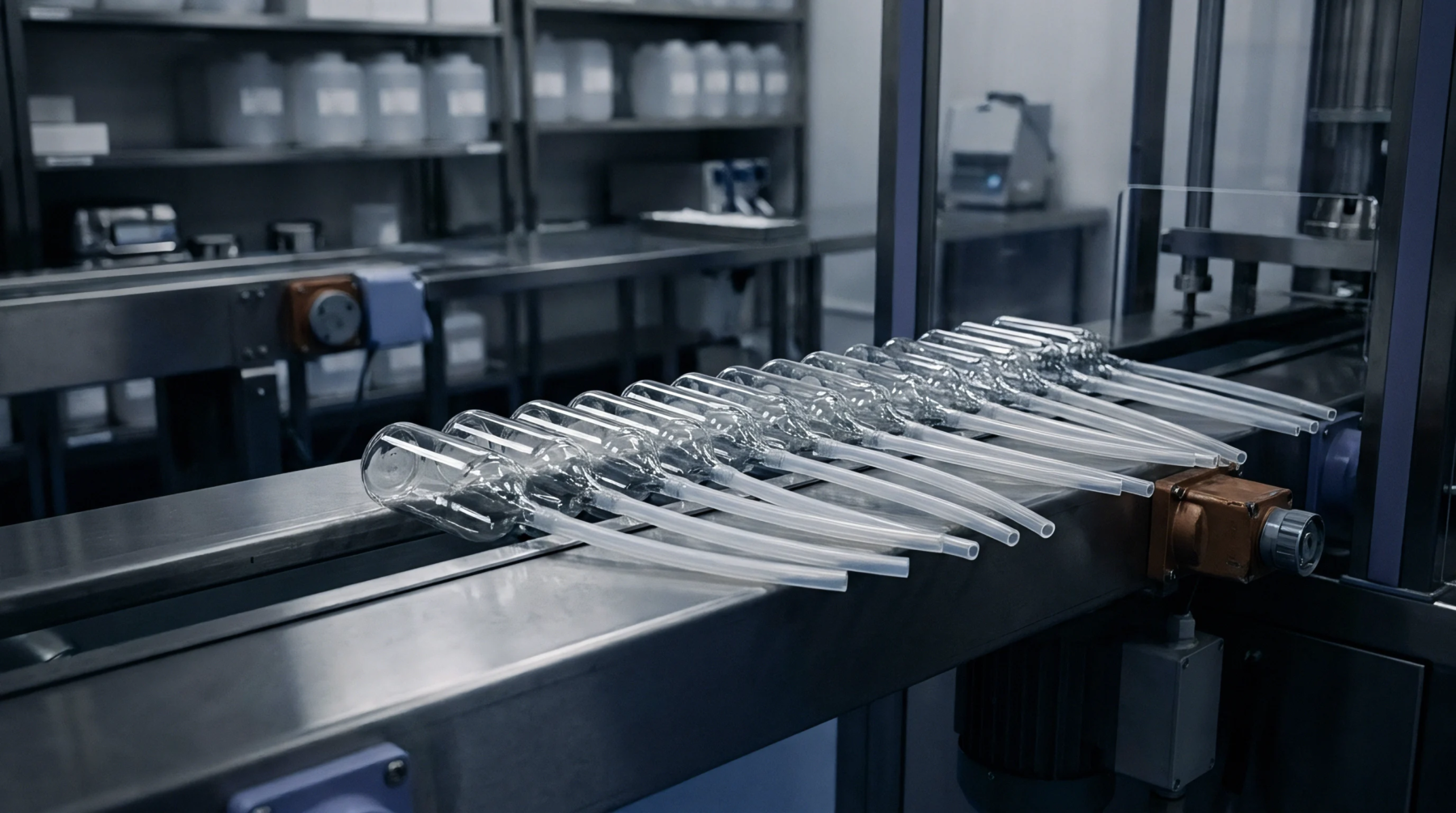
High throughput molding requires balancing injection velocity against viscous dissipation to prevent polymer chain scission and wall slip defects.

Melt temperature drift over 3 degrees Celsius shifts shear viscosity past structural tolerances, requiring active thermal balance before line acceleration.
Expertise is a utility, not a secret. sentiention™ publishes its working knowledge as open reference: intelligence layer covering the materials it sources, the markets it enters, and the reference that serves both.