
Predicting Interfacial Gap Thermal Conductance under Non Isothermal Free Volume Relaxation States
Non-isothermal free volume relaxation shrinks interface polymers, drops contact pressure, and spikes thermal gap resistance during cooling cycles.
Non-isothermal free volume relaxation shrinks interface polymers, drops contact pressure, and spikes thermal gap resistance during cooling cycles.
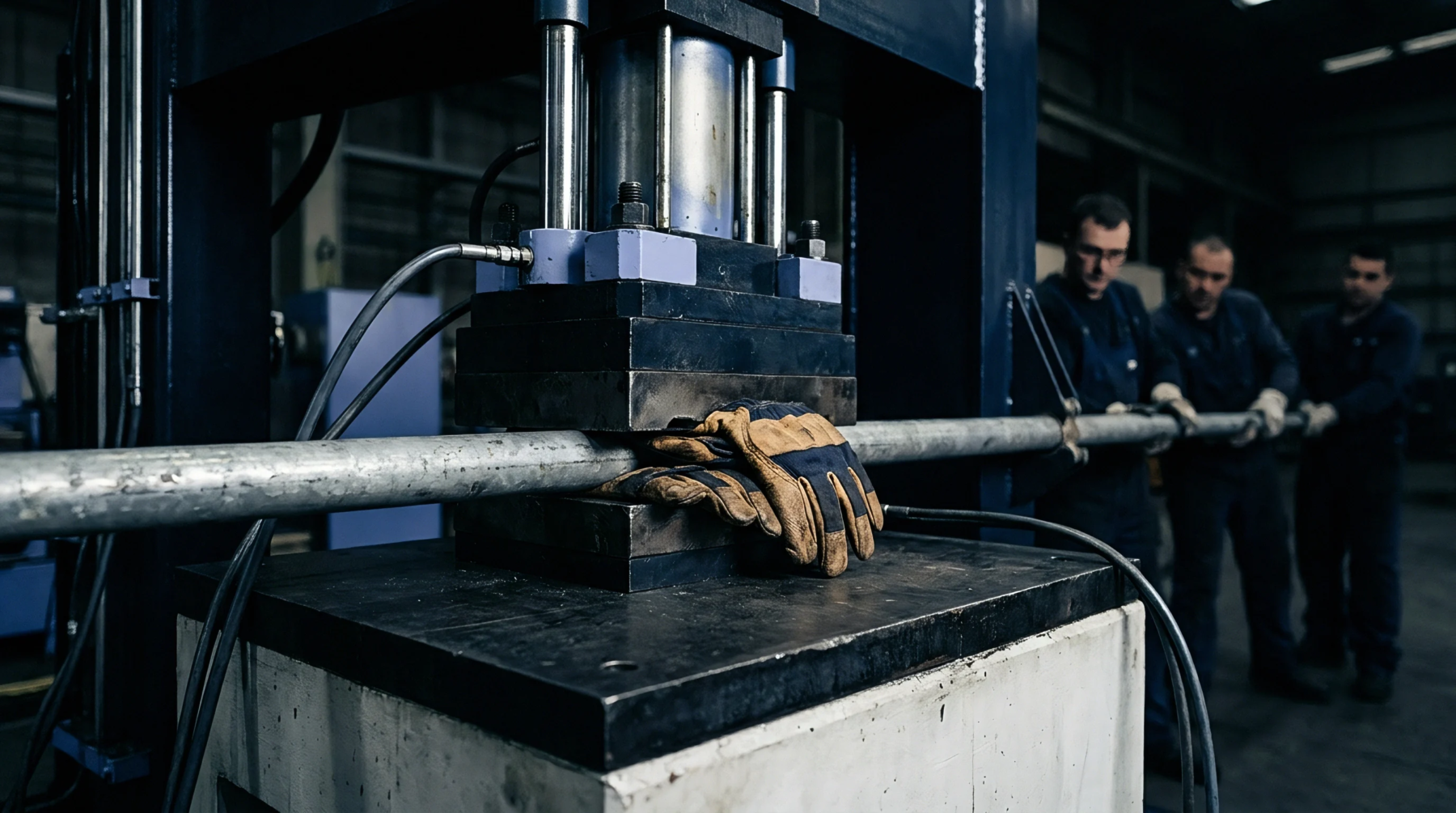
Coupling thermodynamic state equations to transient thermal solvers resolves non-linear density shifts, preventing fatal part shrinkage and tooling errors.
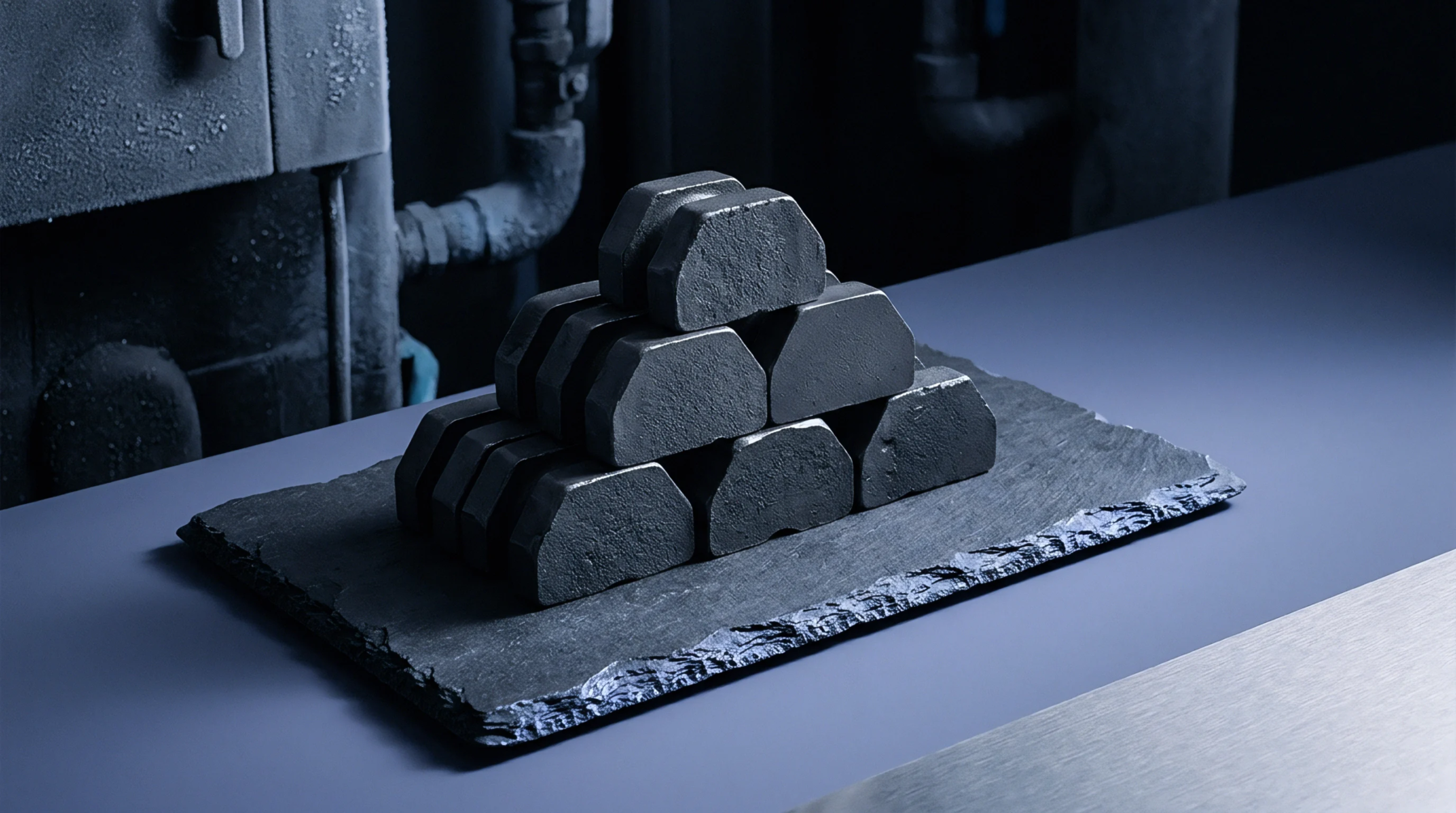
Calculate mold heat load from polymer enthalpy, size turbulent cooling circuits above Re 8000, and balance core-cavity steel temperatures to prevent warpage.

Dynamic relative humidity swings trigger deliquescence in mixed surface halide salts, driving rapid localized pitting decay on staged superalloy components.

Dynamic kinetic decay calibration links atmospheric moisture dwell to chemical boundary limits, preventing catastrophic forging defects in staged superalloys.

Exposing superalloy powders to humidity above 30 percent relative humidity degrades flowability and causes build porosity, demanding controlled vacuum desorptive reconditioning.
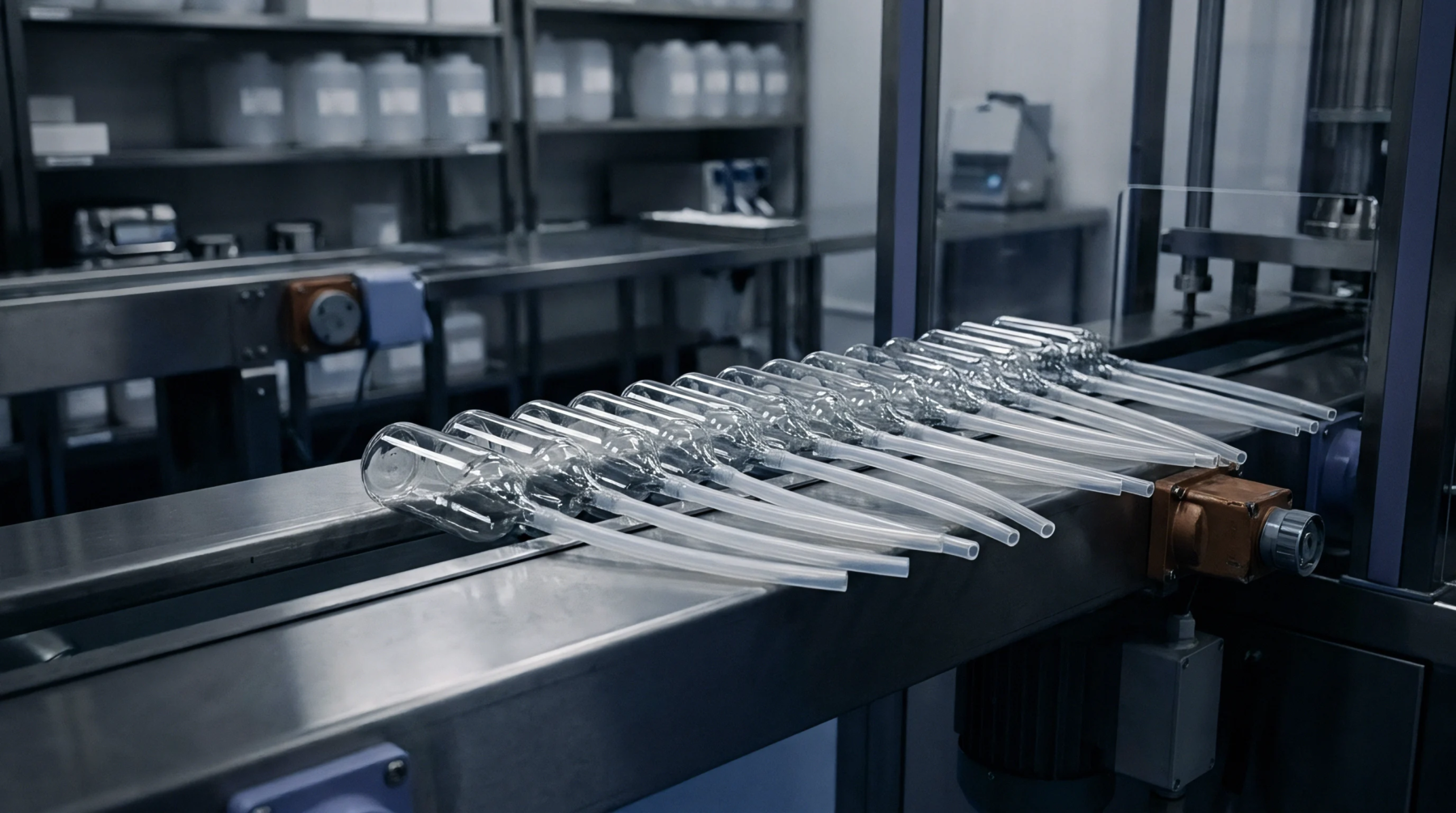
Asymmetric dynamic loading accelerates concrete dowel socketing; structural joint remediation triggers when load transfer efficiency drops below seventy percent.
Expertise is a utility, not a secret. sentiention™ publishes its working knowledge as open reference: intelligence layer covering the materials it sources, the markets it enters, and the reference that serves both.