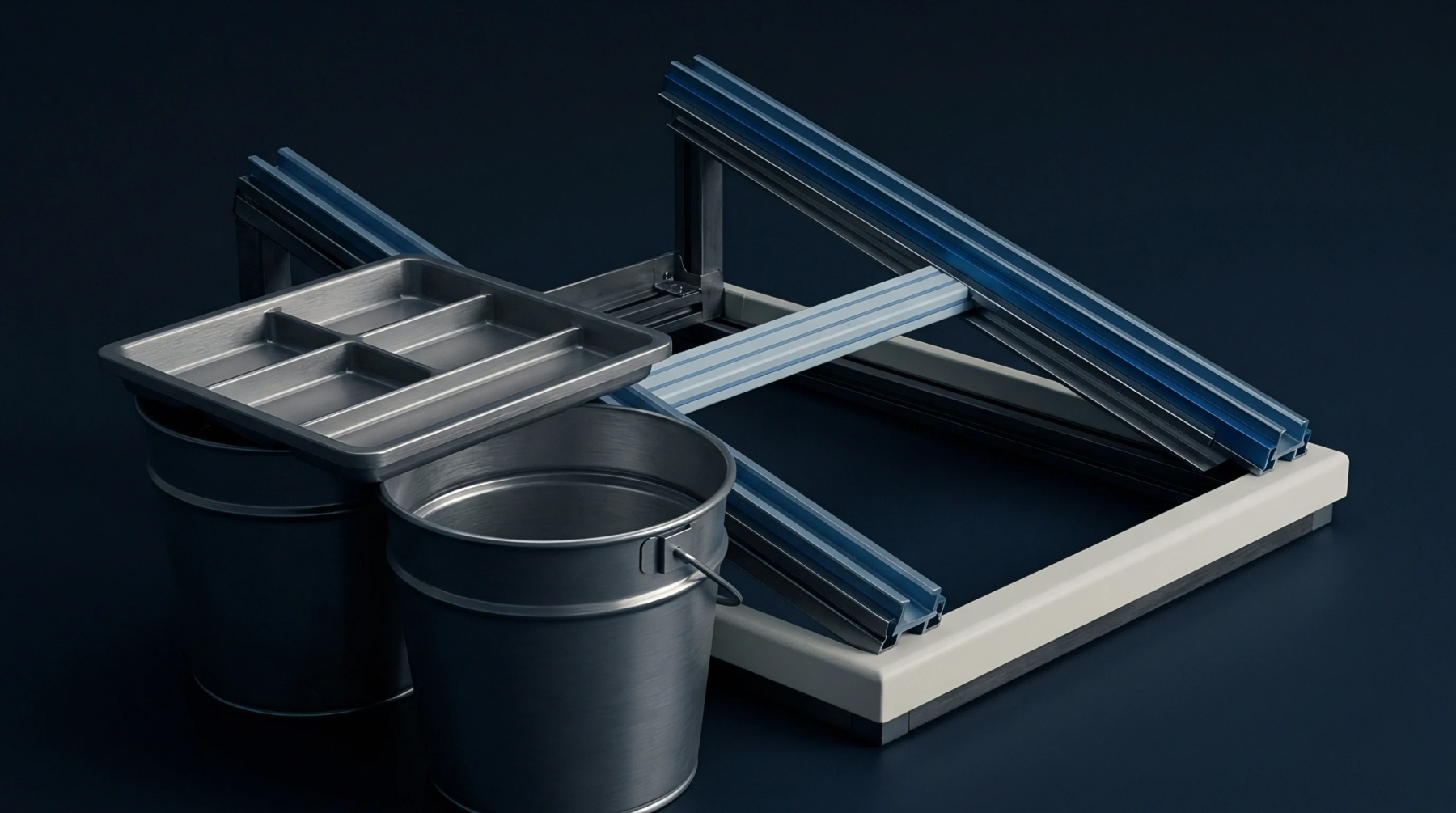
Non Isothermal Extrusion Boundary Layer Thermal Stability Diagnostics for Shear Sensitive Resins
Inline boundary diagnostic sensors prevent resin degradation by detecting shear induced thermal runaway micro spikes before extrudate damage occurs.
Inline boundary diagnostic sensors prevent resin degradation by detecting shear induced thermal runaway micro spikes before extrudate damage occurs.

High-velocity die flow modeling demands coupled non-isothermal viscosity functions to prevent thermal degradation and melt fracture from shear heating.

Non-isothermal melt rheology decouples drag and pressure flow through shear heating, requiring thermal mixing to stabilize viscosity and output dimensions.

Correcting raw capillary rheometry data for entry losses, shear gradients, and wall slip prevents costly tooling rework and protects gross margins.

Non-isothermal viscous dissipation drives core melt temperature spikes that cause extrudate defects if die land geometry is not scaled to shear rates.
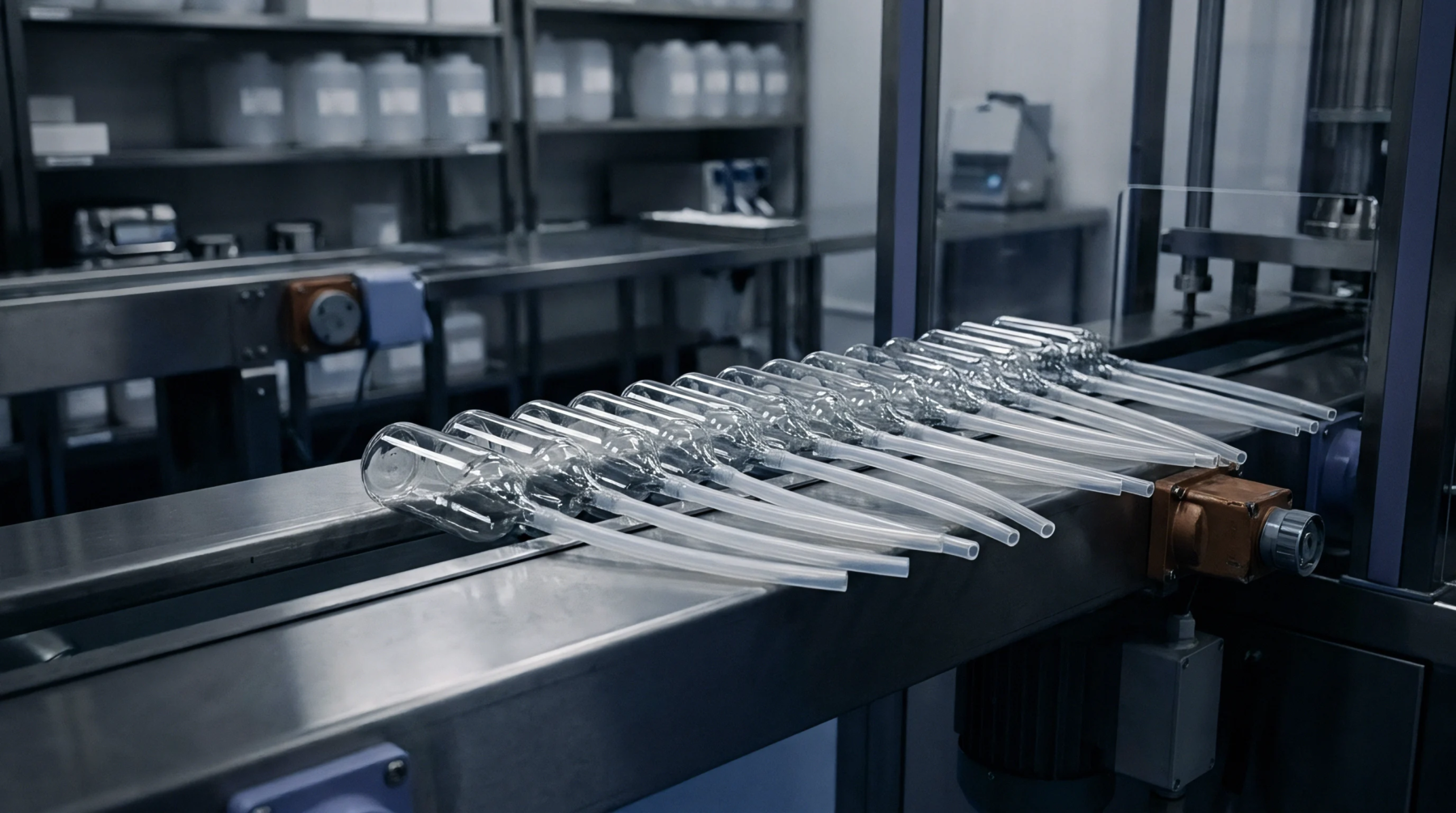
High throughput molding requires balancing injection velocity against viscous dissipation to prevent polymer chain scission and wall slip defects.
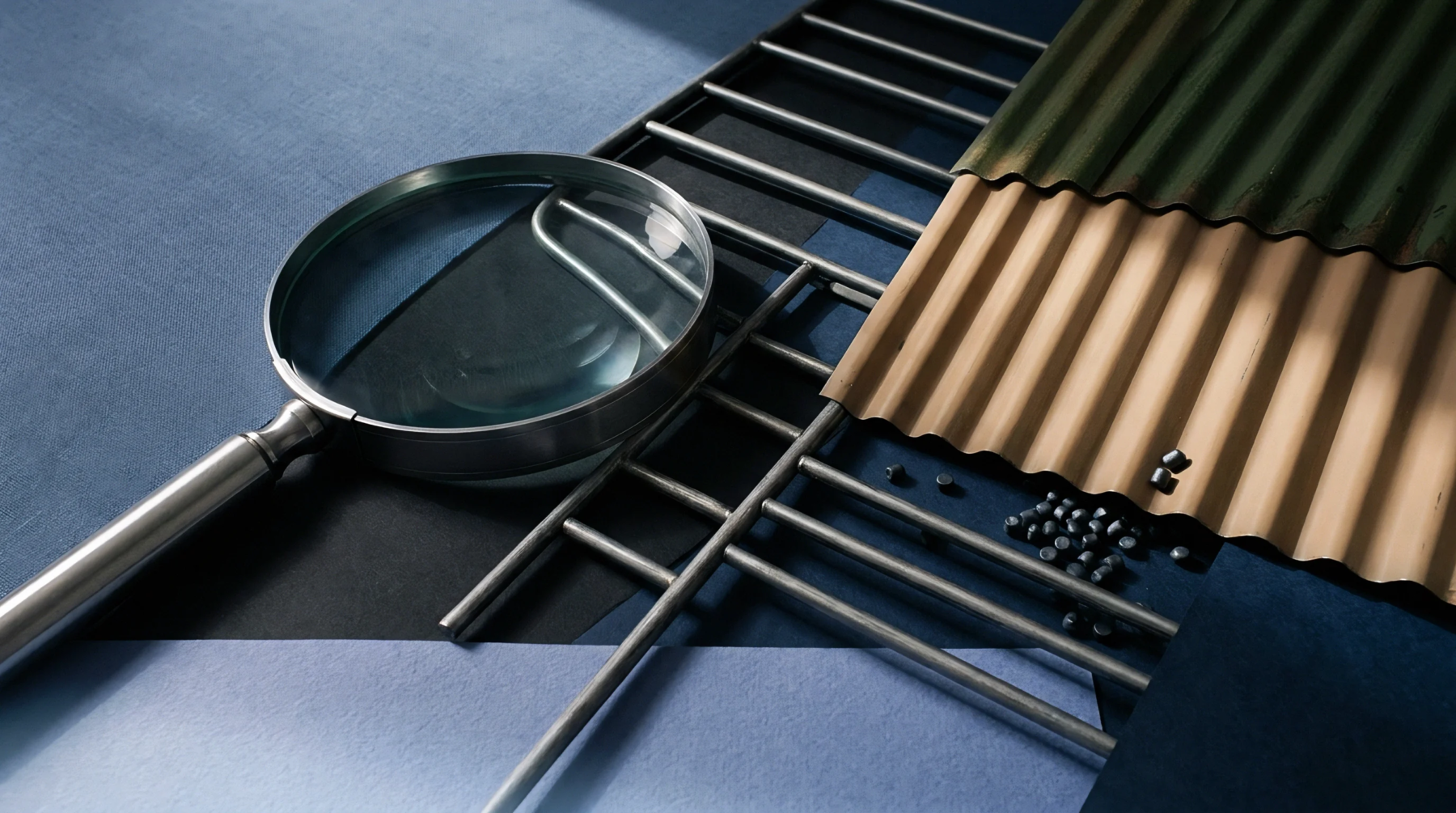
Melt temperature drift over 3 degrees Celsius shifts shear viscosity past structural tolerances, requiring active thermal balance before line acceleration.
Expertise is a utility, not a secret. sentiention™ publishes its working knowledge as open reference: intelligence layer covering the materials it sources, the markets it enters, and the reference that serves both.