Stage Gate Controls for Equipment Importation and Facility Commissioning Sequences
Enforcing rigorous, evidence-anchored stage gate controls over cross-border capital equipment imports prevents costly site debugging and protects project yields.


Covenant
Factory acceptance testing is the primary checkpoint where physical machinery is measured against commercial promises. Buyers frequently mistake idle factory-floor trials for actual operational capability, releasing pre-shipment funds before proving the line can sustain continuous production under load. A disciplined stage-gate protocol enforces engineering thresholds before anything gets crated and dispatched.
Without formal sign-off procedures tied directly to contractual throughput and mechanical tolerances, buyers inherit the debugging work on their own facility floors ~ where modifications cost substantially more and delay commercial start-up schedules.
Engineering stage gates separate milestone payment releases from unsubstantiated manufacturer claims. The first gate occurs entirely on the builder’s shop floor, where the vendor must prove mechanical, electrical, and controls integration against a defined production baseline. That involves verifying each structural frame, drivetrain, fluid circuit, and sensor array against approved CAD models and P&IDs.
Skipping this verification creates severe risk during site assembly, where unrecorded factory workarounds reliably snarl line integration.
Acceptance trials must replicate the full operating envelope of intended commercial production. Equipment builders often attempt to clear gates with virgin feedstock, reduced cycle rates, or hand-picked product specifications. An effective protocol insists on production-grade raw stock, continuous multi-hour runs at peak design speeds, and statistical lot sampling for tolerance verification.
Performance demonstrated under throttled or light-duty conditions reveals nothing about commercial reliability, shifting the expense of debugging back onto the buyer.

Factory Acceptance Metrics and Thresholds
Empirical thresholds determine whether a machine is cleared to leave the plant. Gate documentation establishes rigid limits for first-pass yield, cycle variance, utility consumption, and axis positioning. Failing even one metric halts the gate, leaving the vendor to diagnose and remedy the issue on their own floor at their own cost.
Minor cosmetic punch-list items can roll over if they carry zero impact on mechanical function, operator safety, or software logic. Core process parameters offer no leeway; rectifying faults after shipment easily costs up to ten times what it takes on the manufacturing floor.
Test instrumentation must be verified against traceable international standards. Precision optical sensors, thermal imaging arrays, power analyzers, and vibration sensors require current calibration certificates from accredited metrology labs. Buyers routinely reserve the right to deploy independent diagnostic equipment to validate vendor readouts.
Any unresolved variance between factory figures and third-party measurements forces an immediate gate failure, requiring recalibration or mechanical adjustment before scheduling a re-test.

Contractual Gating Mechanics
Contract terms only work when milestone gates directly govern financial releases. A standard capital procurement might distribute thirty percent of order value to down payments, forty percent to factory acceptance sign-off, twenty percent to site acceptance, and a final ten percent retention following operational turnover. Disbursing that forty percent milestone simply because physical assembly is complete forfeits crucial leverage.
The stage-gate approval certificate serves as a binding legal release for transport preparation while safeguarding the buyer’s remedies for latent defects.
| Equipment Classification | Gating Performance Parameter | Target Specification | Allowable Factory Variance | Mandatory Rejection Threshold |
|---|---|---|---|---|
| Precision CNC Machining Center | Spindle Thermal Drift & Axis Repeatability | ±0.003 mm over 4 hours | ±0.001 mm deviation | > ±0.005 mm total drift |
| Automated Assembly Cell | Pick-and-Place Cycle Time & Placement Yield | 1.2 seconds; 99.8% yield | +0.05 seconds; -0.2% yield | > 1.35 seconds; < 99.2% yield |
| High-Pressure Chemical Reactor | Pressure Hold & Temperature Control Precision | 150 bar at 220°C for 8 hours | ±1.0 bar; ±0.5°C variance | Pressure drop > 0.5 bar/hr |
| Continuous Utility Skid | Flow Rate Output & Specific Power Consumption | 450 L/min at 2.2 kW/m³ | ±2.0% flow volume | Power draw > 2.45 kW/m³ |
Firmware and automation logic are frozen immediately upon concluding acceptance runs. The vendor must generate a SHA-256 cryptographic hash of the validated software build, which is recorded directly into the acceptance certificate. Any subsequent adjustment to the logic during dismantling, transit, or site installation requires a documented engineering change order and hash verification.
Code changes during commissioning reliably spawn transient faults that consume weeks of troubleshooting while masking underlying mechanical flaws.
Pre-Shipment Hold Criteria
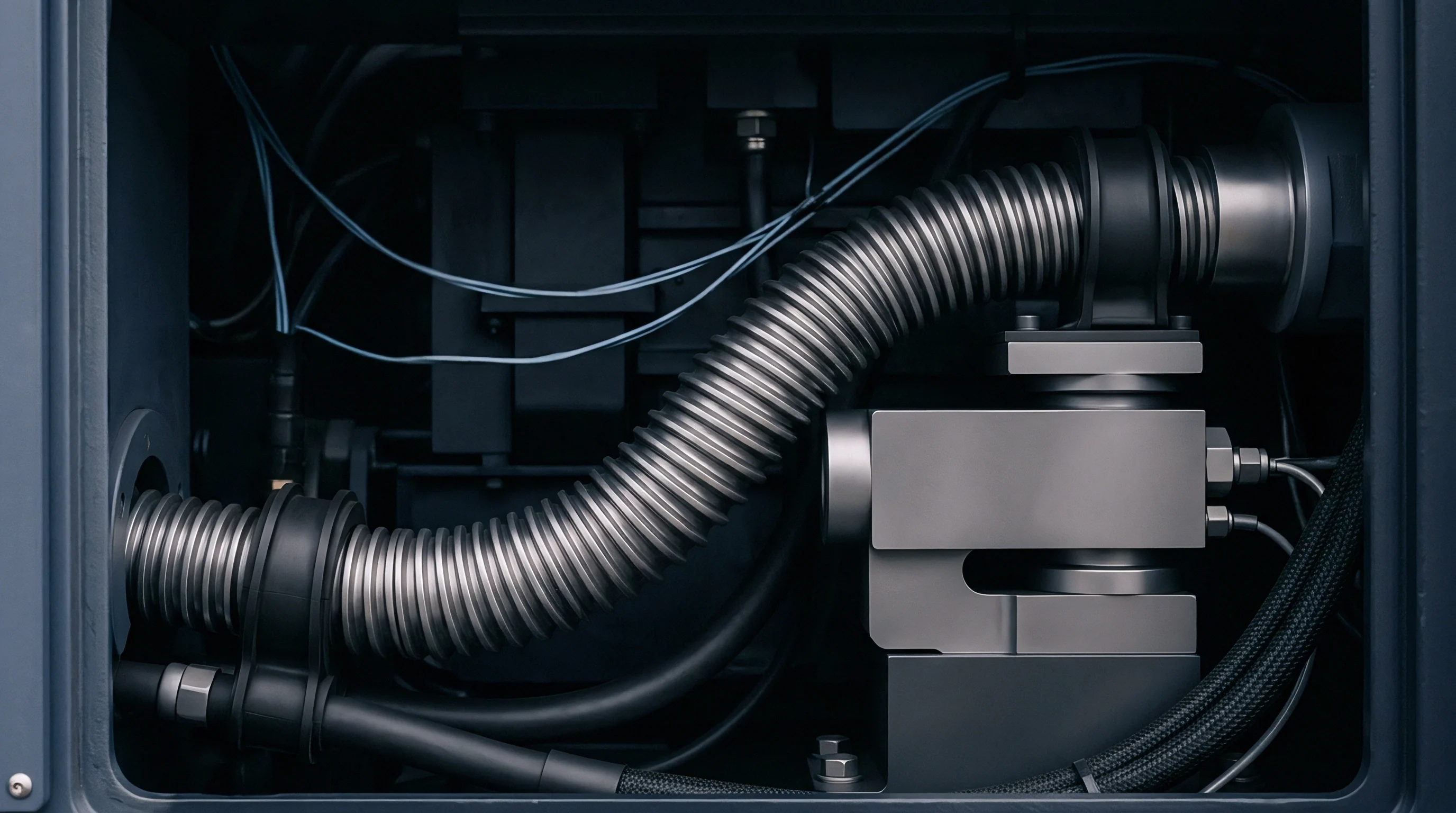
A mechanical audit of knocked-down assemblies is the final barrier before crating begins. Structural welds undergo ultrasonic or magnetic particle examination to confirm transit shock will not propagate micro-fissures into structural fractures. Switchgear and control panels face high-potential insulation testing alongside point-to-point continuity checks.
Unanchored harnesses, missing hardware, or unmarked terminals draw an immediate hold tag; only assemblies carrying signed green tags are released to export packers.
Factory acceptance delays cost far less than site rectifications performed after ocean freight transit.
Equipment inspections run parallel to technical documentation audits. The builder must hand over a complete engineering package: mechanical assembly prints, electrical single-lines, fluid power schematics, spare parts BOMs, and safety risk assessments per ISO 12100 standards. Incomplete, missing, or untranslated technical manuals create installation confusion and convert minor service interruptions into multi-day outages.
The gate mechanism treats documentation gaps exactly like mechanical non-conformances, withholding shipping release until engineering signs off on the dossier.
Explicit contract terms enforce the authority of the factory acceptance gate: “The Vendor agrees that physical shipment of the Equipment shall not occur until the Buyer has executed a formal Factory Acceptance Certificate, and any unauthorized dispatch of the Equipment prior to such execution shall constitute a material breach of contract, entitling the Buyer to reject delivery, withhold all associated progress payments, and charge the Vendor for all incurred port demurrage, site storage, and re-inspection expenses.”


Crate
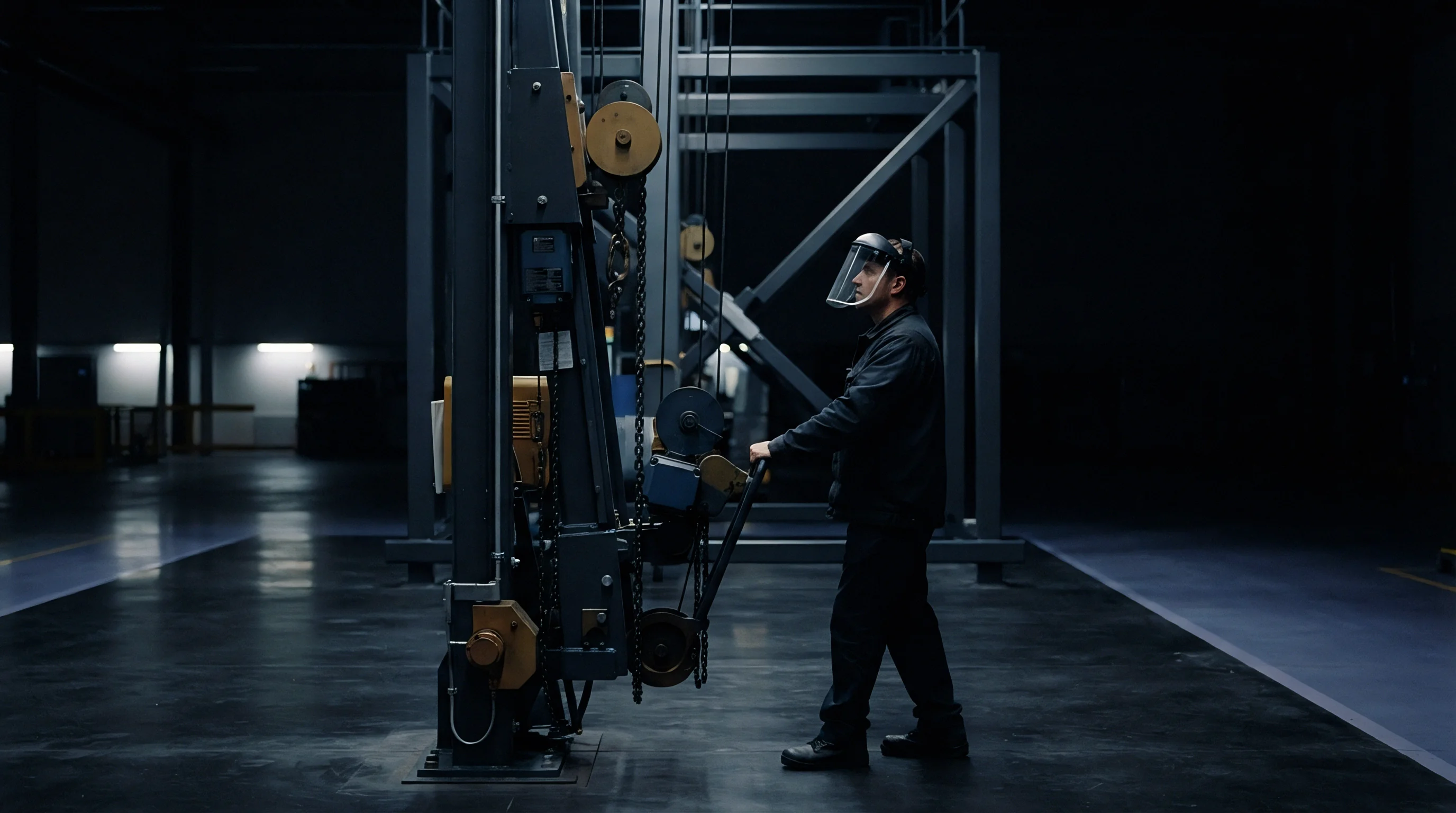
Ocean transit subjects industrial machinery to severe dynamic shocks and corrosive maritime atmospheres. Inadequate packaging causes frame distortion, micro-abrasions, and board-level corrosion well before offloading at the destination port. Crating stage gates set rigorous packaging criteria based on voyage duration, expected climatic shifts, and equipment fragility.
Importers who view crating as an administrative detail routinely open packing cases to find structural rust, moisture accumulation, and warped guide rails.
When Does Equipment Ownership Legally Transition at Sea?
Incoterms designate the exact boundary where transit risks and legal title transfer. Under Free On Board terms, risk passes the instant cargo clears the vessel’s rail, meaning the buyer absorbs the cost if poor factory packing leads to transit loss. Delivering at Place or Delivered Duty Paid terms keep that risk on the seller, though financial recovery offers little solace when damaged machinery halts a project timeline.
Gating protocols enforce DIN 55473 desiccant standards and HPE packaging specifications regardless of which Incoterms govern the sales contract.
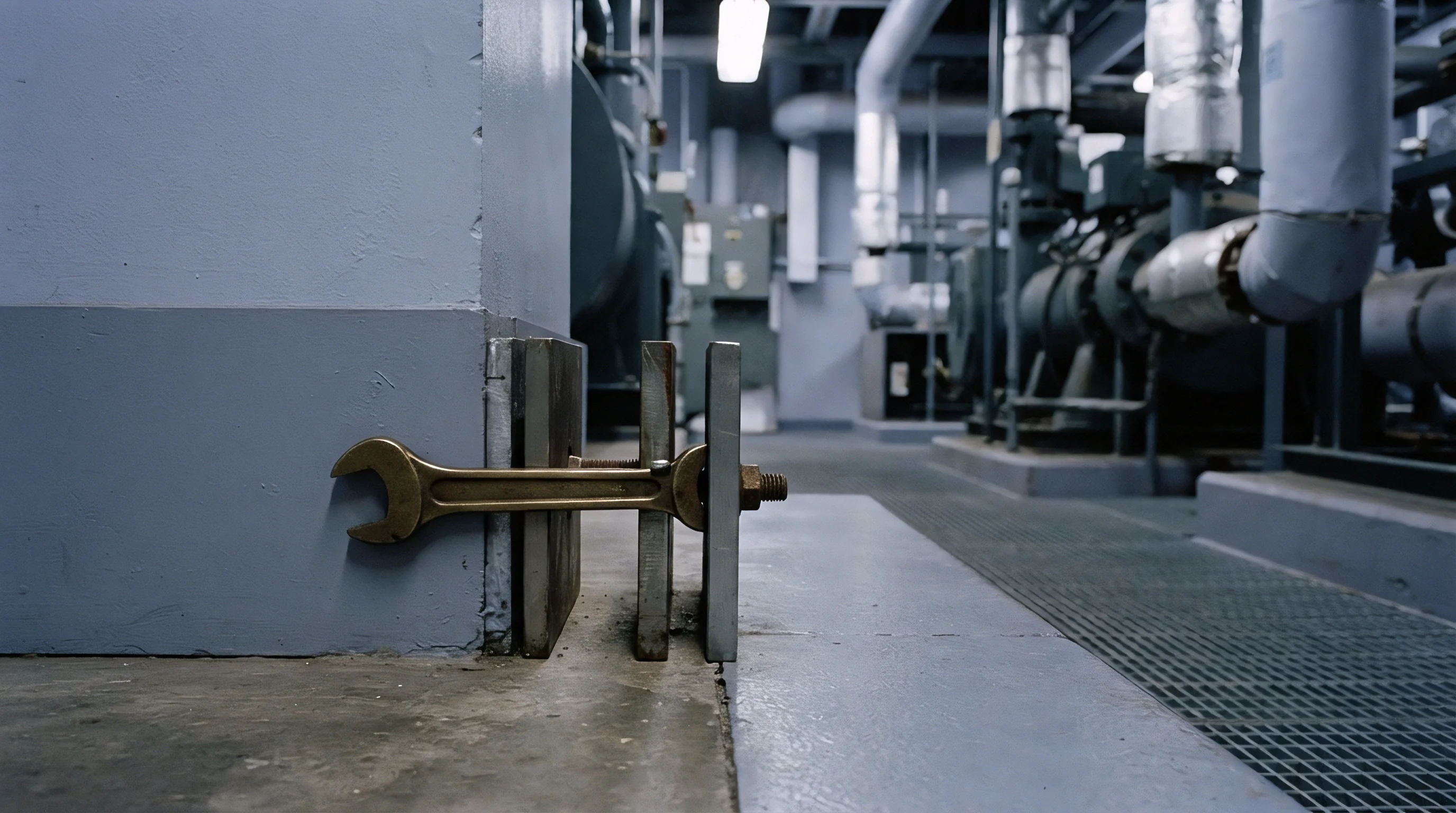
Packaging specifications demand solid timber treated in accordance with ISPM 15 to clear port phytosanitary inspections. Heavy equipment bases require integrated lifting eyes, clearly stenciled centers of gravity, and internal structural bracing engineered for 2g vertical and 1.5g lateral dynamic loads. For atmospheric protection, equipment must be heat-sealed inside aluminum barrier foil with calculated volumes of active desiccant to keep internal relative humidity below forty percent throughout transit.
Bare ground surfaces need solvent-borne vapor corrosion inhibitor compounds prior to enclosure.

Preservation Standards and Transit Telemetry
High-value industrial machinery demands continuous environmental logging through maritime and overland legs. Shock loggers, tilt sensors, and environmental monitors capture multi-axis acceleration, temperature swings, barometric shifts, and relative humidity within the packaging. Cellular or satellite-linked units broadcast alerts if programmed parameters are breached.
Shock sensors configured for a 15g threshold require calibrated verification prior to dispatch to keep cargo insurance intact. The crating gate verifies battery service life, calibration logs, and sensor mounting alignment to ensure recorded shock vectors map directly to machine axes.
Shock logging sensors set to 15g acceleration triggers void the transit warranty if uncalibrated before loading.
Export compliance frameworks restrict machinery movements under dual-use rules and trade controls. Tooling incorporating multi-axis CNC controllers, advanced industrial lasers, specialized variable frequency drives, or hazardous chemical delivery loops falls under Export Control Classification Numbers tracked by regulatory bodies. Dispatching equipment without required permits invites border detention, substantial fines, and open-ended project delays.
The pre-shipment gate verifies classification filings and valid export documentation before any crate leaves the loading bay.
- Export Compliance Verification requires matching equipment serial numbers against cleared export licenses and end-user destination statements.
- Preservation Seal Audit requires inspecting vacuum barrier bags to verify pressure retention and desiccant placement under HPE standards.
- Structural Crate Clearance confirms ISPM 15 timber stamps, dynamic weight balance, and lifting point integrity.
- Telemetry Activation Gate checks battery levels, sample rates, and mounting alignment for all shock, tilt, and humidity loggers.
- Commercial Document Alignment ensures packing lists match customs filings, bills of lading, and insurance certificates down to the line.
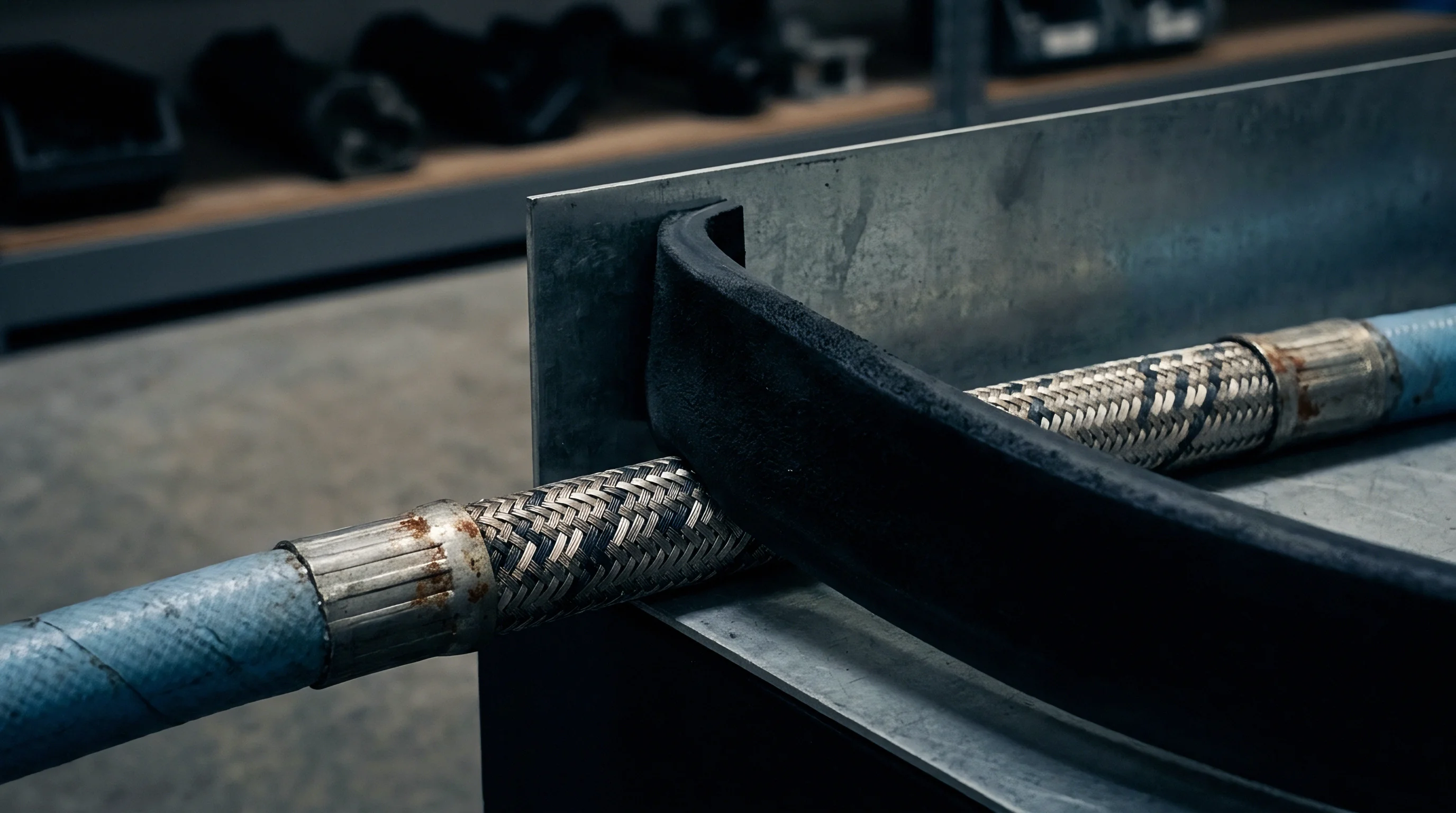
Preservation chemistry must withstand prolonged container yard storage and equatorial humidity. Vapor corrosion inhibitor emitters mounted within electrical cabinets saturate internal airspaces with protective chemistry, shielding copper busbars, backplanes, and terminals from atmospheric corrosion. Precision way surfaces and ground linear rails require microcrystalline wax barriers rated for at least twelve months of open exposure.
Cutting corners on barrier compounds risks pitting ground bearing surfaces, requiring complete sub-assembly replacements and pushing commissioning back by months.
Moisture damage disputes in sealed electrical cabinets routinely pit claims of salt spray ingress during customs inspections against inadequate barrier bag sealing at the factory.
Tariff
Customs classification issues at the arrival terminal choke delivery schedules and trigger heavy demurrage penalties. Port clearance sits at the friction point between commercial invoicing, technical specifications, and international trade law. Generic line descriptions or incorrect Harmonized System codes prompt border audits, unexpected duty assessments, and formal compliance reviews.
Importers must establish rigorous document audits weeks before the ship arrives to avoid terminal bottlenecks.

Harmonized Tariff Classification and Bundled Valuation
Assigning tariff codes to modular, multi-station machinery lines is rarely simple. Importers often attempt to enter an entire line under a single general heading, or conversely, break down an integrated system into dozens of discrete parts. Customs authorities scrutinize capital equipment manifests to enforce regulatory compliance and maximize duty revenue.
Under General Rules for the Interpretation of the Harmonized System ~ notably Rule 2(a) governing incomplete or unassembled articles holding the essential character of the finished machine ~ the chosen classification establishes whether the cargo qualifies for reduced capital machinery rates or higher individual component duties.
| Cost Component | Invoice Valuation | Customs Duty Treatment | Effective Tariff Rate | Landed Cost Impact |
|---|---|---|---|---|
| Base Mechanical Hardware | $4,200,000 | Dutiable under main machinery HS code | 4.2% | $4,376,400 |
| Software Licenses & PLC Code | $650,000 | Non-dutiable if itemized separately on invoice | 0.0% | $650,000 |
| Installation Engineering Services | $480,000 | Service deduction applicable per customs valuation rules | 0.0% | $480,000 |
| Operational Spare Parts Package | $320,000 | Dutiable under individual component HS codes | 6.8% average | $341,760 |
| Methods Note: Customs valuation regulations permit deduction of software and engineering services only when fully itemized and clean-unbundled on the commercial invoice prior to customs declaration submission. | ||||
Transaction value serves as the primary basis for duty calculation under WTO valuation principles. Friction occurs when commercial invoices bundle hardware, proprietary PLC software, engineering services, and commissioning support into a single lump-sum figure. Without transparent itemization, customs inspectors will assess tariffs across the total commercial balance.
Breaking out software licenses and technical services onto distinct invoice lines, tied directly to purchase contracts, keeps statutory duty assessments accurate and legally defensible.
Customs authorities routinely reject entries when engineering services are lumped into hardware line items. Importers must separate physical equipment costs from software licenses and installation services long before filing entry papers. Having trade counsel review itemized commercial invoices prevents surprise duty reassessments and avoids having to post indemnity bonds to free seized cargo from bonded warehouses.

Customs Hold Vectors and Demurrage Escalation
Port holds translate directly into escalating detention charges at marine terminals and storage yards. Demurrage accumulates rapidly, often running several thousand dollars per day on breakbulk freight or multi-container shipments. Physical holds usually trace back to clerical discrepancies: weight mismatches against the bill of lading, absent certificates of origin, missing timber phytosanitary documentation, or the absence of CE/UL markings on industrial control enclosures.
Running a pre-clearance gate ten days prior to vessel arrival resolves these mismatches before goods touch the pier.
ISO 17025 laboratory test certificates presented without accredited translation generate mandatory thirty-day border holds under federal customs regulations.
- Incompatible HS Code Selection happens when importers classify specialized industrial skids under general valve or pump codes to chase lower duty rates.
- Omitted Software Unbundling leads customs agents to charge full machinery duties on non-physical software licenses.
- Missing Regulatory Compliance Marks causes port rejections when electrical panels lack required UL, CE, or national safety labels.
- Inadequate Certificate of Origin Proof voids preferential trade agreement rates, bumping duties up to standard non-preferential levels.
- Undisclosed Related-Party Valuation triggers automatic audits and duty adjustments when buyer and seller share equity without transfer pricing records.
Temporary importation bonds permit duty deferral on specialized rigging, calibration standards, and diagnostic skids needed for installation. Permanent production machinery is ineligible, but vendor-owned erection tooling can enter under ATA Carnets or temporary import bonds. Stowing temporary tooling inside the same sea containers as permanent assets creates clearance confusion, which can forfeit the bond and detain the entire production line.
Misclassifying complex automated production machinery under generic component codes leads to immediate asset seizure, retroactive duty penalties, and schedule delays that wreck the economics of an expansion.


Anchor
Facility infrastructure must accommodate the mechanical footprint and dynamic forces of a new line well before crated hardware arrives on site. Civil and structural miscalculations generate immediate delays: unlevel floor slabs, misplaced anchor pockets, inadequate crane hook clearances, or undersized primary transformers. The civil and utility readiness gate cross-checks facility conditions against equipment interface prints so machinery can be landed directly onto certified foundations without structural remediation.

Civil Foundation Tolerances and Static Loading
High-speed production machinery requires reinforced concrete foundations engineered to isolate structural vibration and support operational loading. Project specifications must detail static load limits, dynamic vibration envelopes, pad depth, rebar layout, and isolated slab joints. Floor levelness and flatness ~ expressed via FF/FL tolerances per ACI 117 ~ dictate whether machine bases set true without excessive shimming.
Bolting heavy machine tools to uneven foundations twists the frame, skewing kinematic geometry and chewing through spindle bearings.
Because ambient vibration ruins optical alignments, sensitive inspection gear, semiconductor tools, and high-speed presses require foundations isolated from plant traffic, nearby stamping operations, and rail lines. Inertia blocks mounted on springs or elastomer pads physically decouple sensitive equipment from the main floor. The civil gate requires core samples and vibration spectrum analysis to confirm that foundation resonant frequencies fall outside the machine’s operating spectrum before placement begins.

Utility Interconnect Readiness Diagnostics
Utility drops require complete qualification before tie-in to imported machinery skids. Clean power is essential for equipment governed by servo drives, microprocessors, and sensitive PLCs. Voltage dips, frequency fluctuations, and high Total Harmonic Distortion induce drive faults, drive-motor overheating, and premature semiconductor failure.
Site readiness evaluations require supply harmonic audits before sign-off. Active harmonic filters, power conditioners, and isolation transformers must be energized and fully tested prior to landing power cables on main switchgear.
Unconditioned power supplies destroy sensitive servo drives during initial line power-up.
Process piping and fluid loops must be chemically and mechanically validated before tie-in. Chilled water circuits require verified glycol concentrations, pH levels held between 7.5 and 8.5, total dissolved solids under five hundred parts per million, and fifty-micron filtration to prevent scale formation and heat exchanger fouling. Instrument air for pneumatic actuators must comply with ISO 8573-1 Class 1.2.1, holding a pressure dew point below minus forty degrees Celsius and residual oil beneath 0.01 milligrams per cubic meter.
Introducing unverified utilities flushes particulates into precision proportional valves and fouls cooling channels.
- Foundation Layout Verification checks anchor bolt coordinates against vendor base drawings using 3D laser tracking before machinery arrives.
- Concrete Curing Maturity Gate requires core compression tests showing poured foundation pads meet specified twenty-eight-day strength limits.
- Power Quality Audit Protocol requires seven days of continuous power monitoring to verify voltage remains within plus or minus five percent of nominal.
- Compressed Air Purity Audit uses laser particle counters and dew point analyzers to verify ISO 8573-1 purity compliance at the drop.
- Process Water Differential Pressure Verification tests supply and return pressure differentials, flow rates, and cooling capacity under full thermal load.
Uncoordinated utility commissioning delays start-up schedules by an average of twenty-twenty-two calendar days per manufacturing bay. Utility connections made without clear stage-gate sign-offs trigger trade conflicts, piping retrofits, and panel rewiring that expose installation crews to unnecessary safety risks. The anchor gate enforces a strict sequence: foundation sign-off allows equipment placement; leveling allows utility drops; verified utilities allow control wiring; and wiring verification allows initial power-up.
Connecting primary utilities to unverified production skids guarantees immediate component damage and voids OEM warranties.


Ramp
Sequential qualification converts a static mechanical assembly into reliable, high-yield manufacturing capacity. Commissioning moves through three formal tiers: Installation Qualification, Operational Qualification, and Performance Qualification. Truncating validation steps to meet aggressive launch milestones invariably introduces lingering process drift, high scrap volumes, and elusive downtime.
Commissioning functions as an exacting validation ladder, auditing each mechanical parameter, sensor input, safety interlock, and throughput target against contracted performance guarantees.

Sequential Qualification Protocols
Installation Qualification verifies that machinery, field piping, electrical circuits, and automation hardware match engineering specifications and manufacturer standards. Field engineers audit installed components against the master equipment manifest, trace field wiring back to terminal schematics, verify circuit pressure drops, and log calibration certificates for all onboard transmitters. IQ procedures also record ambient temperature, relative humidity, and cleanroom particulate levels to confirm the operating environment satisfies factory tolerances prior to energization.
| Validation Stage | Focus Area | Test Condition | Minimum Operating Duration | Target Verification Gate |
|---|---|---|---|---|
| Installation Qualification (IQ) | Static Physical Audit | Unpowered / De-energized | N/A (Static Check) | 100% compliance with P&ID & schematics |
| Operational Qualification (OQ) | Dynamic Component Function | Dry Run / Water Run | 24 continuous hours | Zero control alarm faults; safety loops trip |
| Performance Qualification (PQ) | Integrated Process Yield | Full Load Commercial Product | 72 continuous hours | Cpk > 1.33; line speed at 100% rating |
Operational Qualification confirms dynamic mechanical and controls performance without introducing commercial feedstock, running dry or fluid cycles. OQ protocols validate safety circuits, physical E-stops, diagnostic alarms, drive speed regulation, thermal loops, and sequencing logic. The automation platform must reliably execute fail-safe stops in response to injected faults ~ such as sudden pneumatic line drops, phase losses, or dropped fieldbus nodes.
Testing also confirms that operator HMIs render live sensor feedback, alarms, and recipe parameters accurately before any production material enters the machinery.

Yield Stability and Rate Holding Calculations
Performance Qualification demonstrates that the integrated system delivers on-spec product at target production velocity over extended runs. PQ trials require commercial-grade raw materials and regular operating crews. First-pass yield, process capability metrics, scrap percentages, and Overall Equipment Effectiveness dictate whether the line passes this final milestone.
A machine capable of running at design speed for thirty minutes but slipping across a twelve-hour shift carries thermal instability or mechanical tolerance stack-ups that require engineering intervention.
Statistical process control monitors part dimensions and critical operating parameters across the validation window. Capability metrics must meet contracted thresholds ~ typically requiring a Cpk above 1.33 ~ proving the line operates comfortably inside specification limits. Tracking Cpk across multiple shift turnovers isolates operator technique from machine-induced variance, establishing an objective baseline for contractual handover.
Mathematical Calculation of Line Rate Holding and Efficiency Loss
Evaluating line performance during commissioning requires separating rate loss, scrap loss, and availability loss. The calculation for Overall Equipment Effectiveness during a performance qualification run follows the standard formula:
OEE = Availability Factor × Performance Factor × Quality Factor
Consider an automated battery module assembly line designed for a nominal nameplate rate of 120 units per hour over a continuous 72-hour trial. Total planned production time is 4,320 minutes. During the 72-hour test window, mechanical jams cause 180 minutes of unscheduled downtime, and planned re-tooling takes 60 minutes.
That leaves a net operating time of 4,080 minutes.
Availability Factor = Net Operating Time / Planned Production Time
Availability Factor = 4,080 minutes / 4,320 minutes = 0.9444 (94.44%)
During the 4,080 minutes of net operating time, the line produced a total output of 7,344 assembled battery modules. Running speed is calculated against theoretical maximum output during that active window.
Theoretical Output = 4,080 minutes × (120 units / 60 minutes) = 8,160 units
Performance Factor = Total Actual Output / Theoretical Output
Performance Factor = 7,344 units / 8,160 units = 0.9000 (90.00%)
Quality sampling across the 7,344 produced units shows 367 modules with internal busbar weld defects or housing dimensional errors, requiring total scrapping. Good output equals 6,977 units.
Quality Factor = Good Units / Total Output
Quality Factor = 6,977 units / 7,344 units = 0.9500 (95.00%)
Calculating overall process efficiency yields:
OEE = 0.9444 × 0.9000 × 0.9500 = 0.8075 (80.75%)
The stage-gate protocol sets a minimum OEE threshold of 85.0% for commercial sign-off. Even though individual machine cycle times hit nominal specs, cumulative losses from micro-jams and a 5.0% scrap rate pull total system OEE down to 80.75% ~ keeping the gate closed and holding back the supplier’s milestone payment.
Bottleneck Station Capacity Isolation
Commissioning an integrated line requires isolating the specific station governing overall cycle time. Expanding throughput ahead of or behind that pacing constraint delivers no added output, serving only to pool work-in-progress inventory across conveyor buffers. High-speed cycle tracking during hot trials isolates the exact process bottleneck, allowing engineering teams to concentrate remediation where it directly impacts line speed.
- Dry run testing verifies mechanical drive operation, sensor routing, and conveyor motion without material loading.
- Water run testing verifies fluid hydraulics, thermal control loops, and pressure boundaries under operating temperatures.
- Initial material testing introduces live raw materials at twenty-five percent line speed to calibrate sensor offsets.
- Stepwise speed escalation increases operating rates in twenty-five percent increments, logging heat buildup, motor load, and vibration profiles at each step.
- Continuous seventy-two hour rate holding runs operate equipment at one hundred percent rated capacity to gather yield and efficiency data for final gate approval.
Scrap rates escalate during early line optimization. Controlling waste requires unambiguous contractual definitions detailing who supplies trial materials and who absorbs scrap expenses. Machine vendors frequently presume unlimited feedstock availability during commissioning, running through expensive parts to make minor tooling tweaks.
Capping builder-funded scrap allowances compels systematic root-cause analysis rather than open-ended trial-and-error adjustments.
Whether long-term wear during continuous three-shift operations shifts the precision tolerances established during thirty-day performance testing remains an open question for plant maintenance teams.


Settlement
Commercial reconciliation links verified plant performance directly to milestone releases. Passing the final gate transitions an equipment package from a capital project into an operational plant asset. Lingering punch-list items, outstanding engineering documentation, and minor capacity shortfalls must be resolved before releasing final retention funds.
Maintaining rigorous financial governance throughout shipping and site commissioning guarantees the buyer retains the leverage needed to close out remaining vendor obligations.
Retention Gate Execution and Payment Holds
Retention reserves ~ traditionally ten percent of total contract value ~ represent the buyer’s primary financial protection. Releasing retention balances prematurely surrenders leverage when latent mechanical flaws, code exceptions, or early component failures arise during commercial production. The terminal stage gate requires that retention is disbursed only after all punch-list items are cleared, as-built schematics delivered, certified spare parts packages handed over, and full-rate performance runs validated.
If equipment falls short of contractual speed or yield targets during qualification yet remains commercially viable, the contract applies predetermined financial adjustments. Liquidated damages for capacity deficits are withheld directly from the retention balance. For example, when a packaging line operates at ninety-five percent of its rated velocity, an agreed damage formula scales down the final contract sum to account for lost economic output over the design life of the machine.

Liquidated Damages and Performance Deficit Reconciliation
Delayed handovers and commissioning overruns trigger liquidated damages designed to offset ongoing carry costs and lost operating margin. Enforcing these claims requires meticulous stage-gate documentation that pinpoints schedule liability. Suppliers routinely cite unready foundations, delayed utility interconnects, or poor site access to justify delays.
Dated milestone sign-offs for civil handoffs and utility readiness neutralize supplier counterclaims and preserve the buyer’s contractual position.
Punch-list management demands clear triage based on operational impact. Category A items encompass safety risks, mechanical defects compromising product quality, and compromised control interlocks ~ any of which halts final acceptance. Category B items include cosmetic blemishes, missing conduit tags, or incomplete operating manuals; these permit provisional line turnover provided a cash reserve equal to twice the estimated remediation cost is held in escrow until completion.
Booking equipment onto the fixed asset ledger marks the formal close of commissioning. Plant maintenance personnel assume responsibility for routine servicing, predictive maintenance programs, and spare parts management. The equipment builder provides written warranty commencement dates, final compiled software archives, and certifications confirming conformity with regional safety mandates.
Conducting equipment handovers through structured stage gates safeguards capital expenditure, confirms operational readiness, and protects the financial return on the facility investment.