Structuring Asset-Based Lending Facilities to Mitigate Extrusion Scrap Ineligibility Haircuts during Overtrading
Structure scrap inventory sub-tranches backed by tolling agreements and metal hedging to turn extrusion revert into eligible borrowing base availability.


Bins

Secondary Alloy Recovery and Plant Floor Accumulation
Extrusion presses running at ninety percent capacity generate structural revert at rates that often outpace original engineering estimates. When press speeds are pushed to keep up with order spikes during overtrading, metal recovery rates fall off. Extruders working with 6061 and 6063 aluminum billets produce butt crop, press scrap, and profile off-cuts that routinely make up twelve to eighteen percent of gross billet weight.
Downstream machining creates turnings and chips soaked in cutting fluids. Accounting systems log these volumes in perpetual inventory at full raw material purchase cost, but asset-based lenders spot expanding scrap piles during growth phases and question their quick commercial saleability.
This accumulation happens faster than plant controls can adapt.
Floor storage breaks down once throughput outstrips plant capacity. Billet scrap ends up in secondary totes, outdoor yards, and unsegregated hoppers. Field examiners inspecting these holding areas during unannounced audits flag any metal lacking heat logs, mill test reports, or clear alloy markings.
Senior lenders immediately apply a zero-percent advance rate to unsegregated stock, stripping liquidity from the borrowing base right when overtrading demands maximum working capital.
Unsegregated 6063 aluminum extrusion crop stored in unmapped outdoor bays incurs a one hundred percent ineligibility haircut during lender field examinations.

Borrowing Base Exclusion Parameters for Process Scrap
Quarterly field audits typically classify loose chips, unsegregated turnings, and dross as ineligible inventory. Credit agreements explicitly exclude scrap from eligible raw materials, as lenders view non-prime metal as illiquid collateral with high disposition costs and uncertain value. When sales grow fifty percent year over year, physical scrap volume doubles.
Yet the ledger continues carrying it at standard billet cost, inflating reported gross inventory.
Field exams quickly expose these inventory mismatches.
Weekly or monthly borrowing base certificates reflect these inflated gross inventory numbers. Automated lender audit checks track historical scrap levels, and when scrap lines exceed three to five percent of total inventory value, credit officers impose administrative reserves. The resulting dollar-for-dollar eligibility haircuts trim available credit lines, squeezing cash flow even while the extruder records strong gross margins on finished shipments.
- Contaminated Turnings Accumulation Machining scrap carrying moisture levels above two percent gets written down to zero valuation by field examiners due to explosion risks during remelt processing.
- Unlabeled Alloy Commingling Mixing 6061 T6 crop ends with 7075 aerospace off-cuts in single scrap hoppers renders the entire container uncertified and commercially ineligible for senior credit advances.
- Overaged Revert Stockpiling Holding internal run-around scrap for longer than thirty days without reprocessing shifts metal from work in progress into slow-moving inventory haircuts.
- Dross and Furnace Skimmings Invalidation Recording zinc or aluminum oxides as physical inventory on management accounts invites direct auditing reclassifications to zero borrowing availability.
Non-baled extrusion crop containing surface anodizing residues cannot command prime ingot index pricing until secondary refining costs are deducted upfront.


Staging

Material Conversion Timelines across Press Runs
As raw aluminum billets pass into heating furnaces, their value shifts within hours from virgin stock into work in progress. Dies press the hot metal into complex profiles, and as these exit the stretchers, technicians cut off head and tail ends, creating immediate run-around scrap. This process metal re-enters sub-ledgers under scrap tags.
Properly tracked, work in progress supports high advance rates, often between sixty-five and seventy-five percent of cost.
Yield tracking directly affects available borrowing headroom.
Keeping track of material across press runs requires tight batch management. Under overtrading pressure, plants often skip sub-ledger updates to keep production moving. When inventory software misses scrap generated at the stretcher, it leaves unusable profile ends listed as high-value finished goods.
Field examiners catch these phantom balances during physical counts, triggering retroactive borrowing base write-downs that freeze credit draws.
- Log raw billet consumption against specific job orders at the furnace charging crane.
- Weigh head and tail crop ends immediately at the stretcher table before transfer to scrap bins.
- Tag segregated scrap hoppers with barcoded alloy identifiers and weight scale certificates.
- Update manufacturing execution software to reclassify virgin metal cost into net profile weight and scrap weight.
- Transfer clean process scrap to designated remelt furnace staging areas for immediate internal re-use.

Lender Inventory Audits and Sub-Ledger Discrepancies
Field examiners compare perpetual stock records against physical count sheets to surface unrecorded yield losses. Audit teams check high-value inventory items, weighing hoppers to verify what is recorded in the ERP system. Discrepancies mount when plant managers delay scrap entry until month-end close, creating a temporary artificial bump in reported eligible inventory.
In practice, processing speed governs available liquidity.
Lenders monitor scrap turnover by checking how many days metal sits in staging hoppers. Scrap held beyond agreed audit limits gets reclassified as aged inventory. Asset-based covenants usually dictate that inventory held over sixty days loses all borrowing base value, so real-time staging tracking is essential during rapid expansion.
Process revert converted into remelt billet within forty-eight hours preserves original raw material borrowing eligibility across press cycles.
Keeping staging cycles short ensures collateral values track real physical production without triggering audit reserves.


Dilution

Borrowing Base Shrinkage under High Turnover Ratios
Fast revenue growth strains liquidity whenever administrative tracking lags behind metal consumption. Overtrading extruders burn through virgin billet faster than cash comes in from customer payments. As press throughput climbs, scrap volume rises alongside it.
Management accounts show growing gross assets, but the borrowing base shrinks from inventory dilution ~ the spread between gross book value and net liquidatable cash value.
Unsegregated metal stocks draw heavy lender penalties.
Gross-to-net inventory adjustments factor in scrap haircuts, volume rebates, and damaged goods reserves. In extrusion plants, scrap haircuts are the largest single driver of inventory dilution during volume surges. When scrap dilution exceeds five percent of total inventory, credit agreements force lenders to cut advance rates across all raw materials.
Dropping the rate from eighty-five percent to seventy percent on a five-million-dollar raw material pool wipes out seven hundred and fifty thousand dollars in cash availability overnight.
| Operational Parameter | Baseline Volume ($) | Overtrading Phase 1 ($) | Overtrading Phase 2 ($) |
|---|---|---|---|
| Gross Raw Billet Inventory | 3,000,000 | 5,500,000 | 8,000,000 |
| Accumulated Extrusion Scrap (Ledger Cost) | 150,000 | 650,000 | 1,400,000 |
| Lender Eligible Raw Material Base | 2,850,000 | 4,850,000 | 6,600,000 |
| Standard Advance Rate (85%) | 2,422,500 | 4,122,500 | 5,610,000 |
| Scrap Ineligibility Haircut (100% Scrap) | 127,500 | 552,500 | 1,190,000 |
| Systemic Dilution Advance Rate Penalty (70%) | 0 | 0 | 990,000 |
| Net Cash Available from Inventory | 2,295,000 | 3,570,000 | 3,430,000 |

Calculation of Ineligibility Reserve Triggers
Credit agreements cap borrowing capacity as soon as non-conforming inventory exceeds agreed percentage limits. Loan documents base dilution formulas on trailing twelve-month audit trends. If an audit shows five percent of inventory made up of unsellable turnings, the lender creates a permanent five percent dilution reserve, deducted from the borrowing base before applying the advance rate.
Ineligibility haircuts quickly drain liquid capital.
This compounding effect gets worse during overtrading. Running presses faster converts more virgin metal into off-cut scrap, skewing the overall inventory balance. Higher turnover rates widen book-to-physical variances, and combining mandatory dilution reserves with growing ineligible scrap balances tightens line availability, creating cash squeezes at peak production.
Paragraph 14(b) of standard asset-based lending credit agreements dictates that inventory dilution exceeding four percent automatically triggers a discretionary reserve reducing overall borrowing availability.
Failing to manage scrap dilution during sales expansion leads asset-based lenders to establish discretionary reserves that restrict total line capacity.


Valuation

Net Orderly Liquidation Value Disconnects in Metal Markets
Appraisers calculate recovery rates by applying historical index discounts to gross inventory ledger figures. Net Orderly Liquidation Value (NOLV) forms the ceiling for asset-based advance rates, with agreements typically capping inventory borrowing at eighty-five percent of NOLV. Appraisers evaluate scrap under distress scenarios, assuming quick sales to scrap dealers.
Tolling agreements can fundamentally alter scrap valuation.
Scrap appraisals differ sharply from virgin billet appraisals. Virgin aluminum billet supports eighty to eighty-five percent NOLV recovery rates against spot prices. Loose chips and mixed turnings carry estimated recoveries of twenty to thirty-five percent of book value due to freight, melt loss, and dealer margins.
Accumulating large scrap balances pulls down the overall enterprise NOLV percentage, triggering facility-wide cuts to advance rates across all inventory classes.
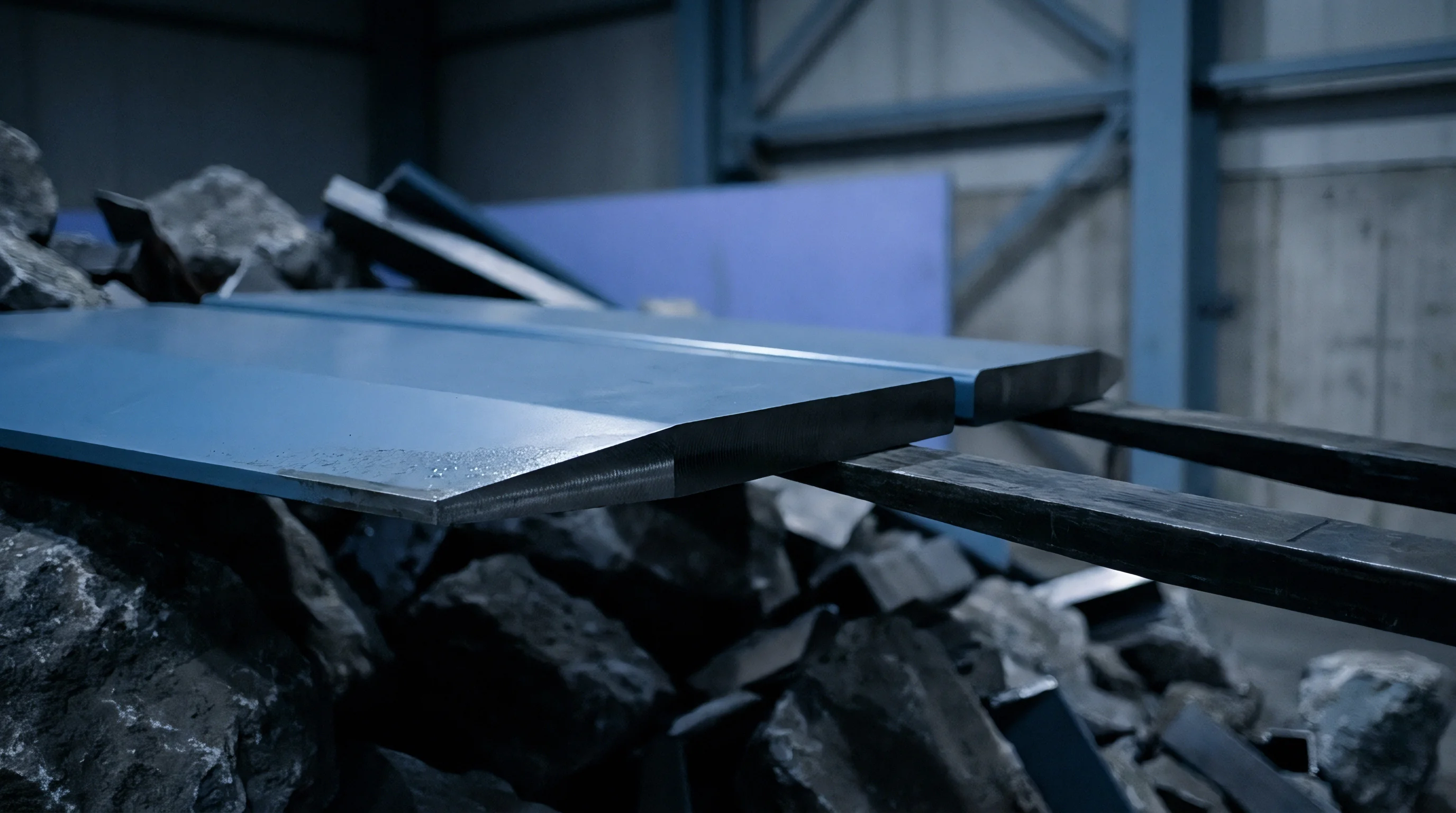
Could Off-Take Toll Agreements Convert Scrap Ineligibility into Borrowing Base Availability?
Direct contracts with primary smelters set guaranteed floor prices for continuous run-around revert. Extruders with long-term tolling contracts return crop ends and clean profile scrap in exchange for conversion credits against future billet purchases. These agreements establish firm cash realization values, resolving lender appraisal concerns.
Contractual commitments establish predictable cash floors.
Consider an extrusion plant generating 400 tonnes of 6061 alloy scrap monthly during an overtrading cycle. The perpetual inventory ledger carries this material at virgin billet cost of $2,600 per tonne, yielding a total gross scrap valuation of $1,040,000. Under standard asset-based lending terms without tolling provisions, the lender deems 100 percent of scrap ineligible, yielding $0 in borrowing base availability.
Under a structured toll-conversion agreement with an creditworthy primary aluminum producer, the contract guarantees a return credit equal to the London Metal Exchange cash price minus a fixed $350 per tonne conversion fee. With the aluminum cash price at $2,400 per tonne, the net scrap realization value equals $2,050 per tonne. The total contractual value of the 400-tonne scrap pool equals $820,000.
| Structure Type | Gross Book Value ($) | Appraised NOLV % | Appraised Value ($) | Advance Rate % | Borrowing Availability ($) |
|---|---|---|---|---|---|
| Unstructured Scrap (Standard ABL) | 1,040,000 | 25.0% | 260,000 | 0.0% (Ineligible) | 0 |
| Scrap under Tolling Off-Take Agreement | 1,040,000 | 78.8% (Contractual) | 820,000 | 85.0% (of NOLV) | 697,000 |
| Hedged Scrap Sub-Tranche Structure | 1,040,000 | 90.0% (Hedged) | 936,000 | 80.0% (Sub-Line) | 748,800 |
Presenting signed off-take agreements to lender appraisal teams changes the liquidation assumptions. Appraisers then evaluate scrap recovery based on contractually guaranteed toll returns rather than spot auction prices. This reclassification converts an ineligible line into a predictable cash asset, opening up substantial borrowing availability during high-growth periods.
What structural modifications must extruders introduce into tolling contracts to satisfy lender requirements when physical metal scrap undergoes off-site refining by third-party smelters?


Tranche

Hedged Metal Base Mechanics for Extrusion Facilities
Commodity risk management lets borrowers separate London Metal Exchange price swings from credit limits. Stored scrap metal exposes extruders to falling market prices, so lenders discount unhedged inventory. Forward sales contracts or futures positions lock in scrap value, protecting the borrowing base against market drops.
Effective hedging strips out commodity price risk.
Adding commodity hedges to asset-based facilities requires creating dedicated inventory sub-tranches. Credit agreements link the hedged scrap sub-tranche directly to the underlying derivative position, with the lender taking a first-priority security interest in both physical metal and the hedge account. This dual-collateral setup mitigates price risk, allowing lenders to offer specialized advance rates against scrap inventory.

Special Purpose Reserve Sub-Lines for Process Revert
Separate facility commitments can backstop short-term metal accumulation without reducing core working capital advance rates. Extruders can set up a secondary tranche specifically for qualifying process revert, with custom eligibility rules, distinct advance rates, and dedicated sub-limits designed for overtrading peaks.
Standard credit lines collapse rapidly during overtrading.
- Tolling Contract Carve-Out Assigning tolling credit receivables to the borrowing base transforms scrap inventory into eligible trade claims.
- Hedging Reserve Sub-Limits Establishing a dedicated five-hundred-thousand-dollar sub-line backed by derivative positions covers scrap inventory spikes.
- Short-Term Holding Waivers Negotiating sixty-day exemption windows for clean run-around scrap prevents automatic inventory aging haircuts.
- Daily Borrowing Base Adjustments Automated daily file transmissions capture scrap generation and remelt consumption without lag.
Borrowing base amendments stipulate that qualifying aluminum revert backed by executed derivative contracts shall be advanceable at eighty percent of the prevailing London Metal Exchange cash settlement price minus processing transport allowances.


Clause

Borrowing Base Agreement Drafting Parameters
Credit agreement terms require clear definitions for eligible scrap and maximum allowable turnings inventory. Extruders negotiating covenants during expansion must target specific exclusion clauses. Standard credit agreements mark all scrap, dross, and turnings as ineligible collateral by default, so legal counsel must replace blanket exclusions with conditional eligibility based on storage, segregation, and contract backstops.
Appraisal values ultimately dictate advance rates.
Contract language needs to define eligible scrap using explicit physical and commercial standards. Clean profile crop ends stored in barcoded hoppers with verifiable alloy composition should be carved out from general scrap exclusions. Defining process revert clearly within credit documents prevents field examiners from reclassifying work in progress into ineligible scrap pools during overtrading surges.

Intercreditor Rules and Scrap Recovery Waterfall
Intercreditor agreements determine how proceeds from liquidated metal get split between senior lenders and mezzanine debt holders. Complex capital structures require clear intercreditor rules around metal collateral. Senior ABL lenders hold primary liens on raw materials, work in progress, and finished goods, while equipment lenders hold security interests in presses and dies.
Audit triggers strictly enforce covenant limits.
Disputes often arise during liquidations when scrap metal remains inside furnace equipment or die assemblies. Intercreditor provisions need explicit valuation models for scrap recovered during equipment enforcement, and clear waterfall mechanics prevent operational standoffs between creditors during restructurings.
Setting clear scrap eligibility terms, carve-out sub-limits, and derivative security structures within credit agreements gives extruders predictable borrowing capacity through high-growth periods.