
Non Isothermal Melt Rheology in Single Screw Extrusion
Non-isothermal melt rheology decouples drag and pressure flow through shear heating, requiring thermal mixing to stabilize viscosity and output dimensions.
Non-isothermal melt rheology decouples drag and pressure flow through shear heating, requiring thermal mixing to stabilize viscosity and output dimensions.

Coupling DSC kinetics with rheological gel constraints isolates the precise process window for structural epoxy consolidation before matrix flow ceases.
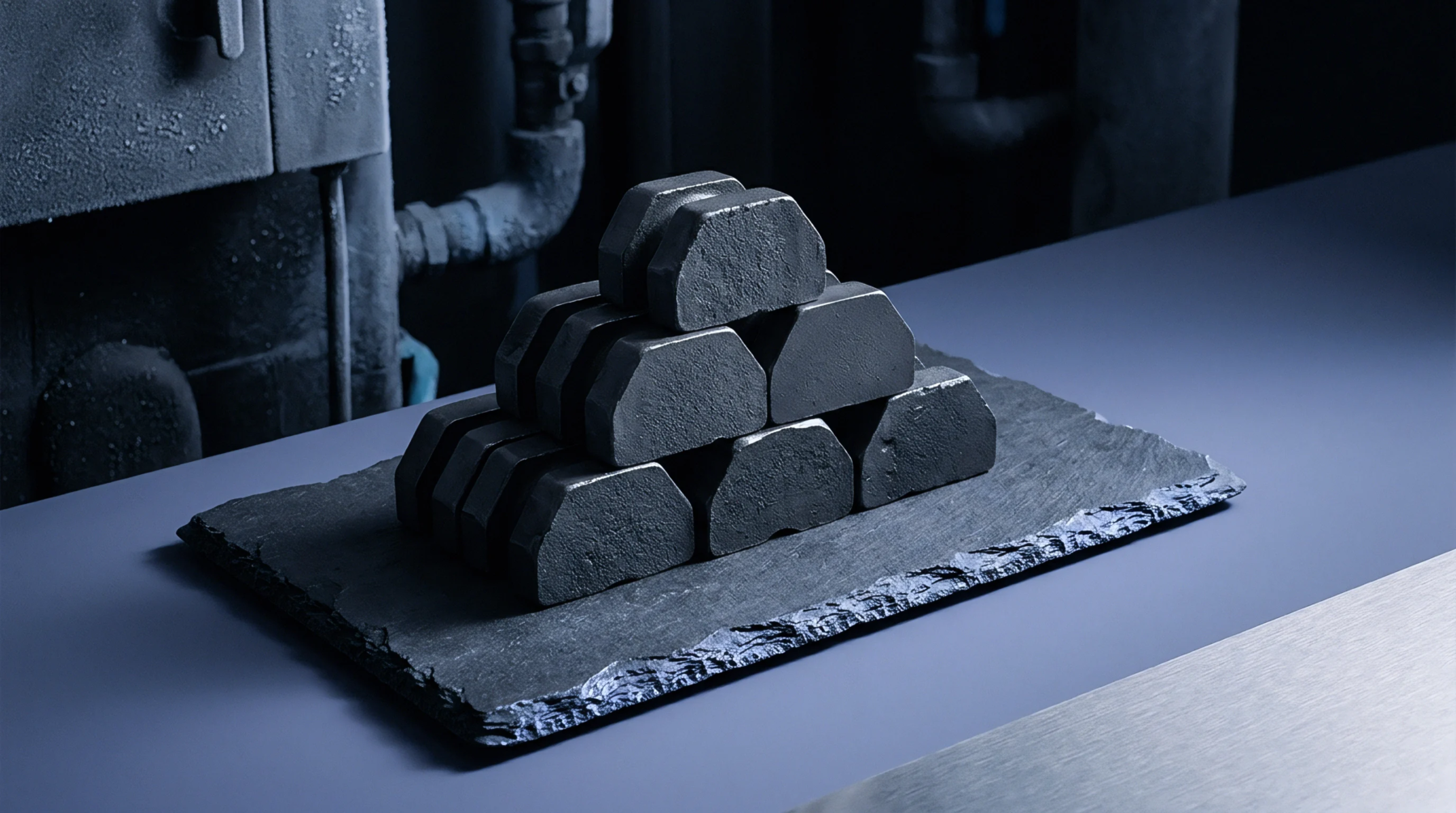
High temperature thermoset cure kinetics governs gelation timing, exotherm runaway risks, and press pressure application windows in structural composite molding.

Tool steel selection and scientific qualification protocols dictate mold life, cycle efficiency, and dimensional capability under continuous production.

Thin wall injection velocity must balance viscous dissipation heat spikes against gate clearance geometry to prevent local polymer backbone degradation.

Non-isothermal viscous dissipation drives core melt temperature spikes that cause extrudate defects if die land geometry is not scaled to shear rates.
Expertise is a utility, not a secret. sentiention™ publishes its working knowledge as open reference: intelligence layer covering the materials it sources, the markets it enters, and the reference that serves both.